What is Spalling?
You need to know about this. Most Floridians seek to buy a “block” home as it’s advertised on Zillow. People avoid wood structures because termites are ubuiquitous due to moisture and warm weather, causing $ billions in destruction annually. Subterranean Termites, Drywood Termites, Dampwood Termites, Bonehead Termites and so on cause this and some are new invasive (very aggressive) species that accompany climate change.
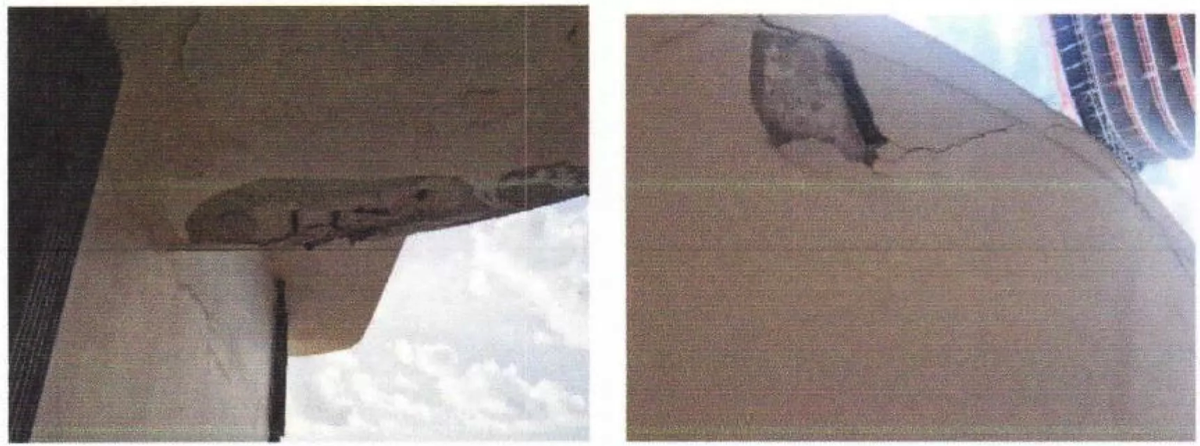
So folks advertise the advantages of a block and tile roof home, but they are not free of risk either. The main concern is spalling which occurs in concrete when its internal rebar corrodes and weakens as described here.
Spalling
Described as cancer in a building, when salty moist air or water gets inside deteriorating concrete and reaches the internal steel rebar used to reinforce concrete, corrosion happens. This occurs when columns crack, concrete chips/loosens and falls off. A common cause is poor drainage that causes standing water which gradually seeps into the structure and gets to the internal rebar.
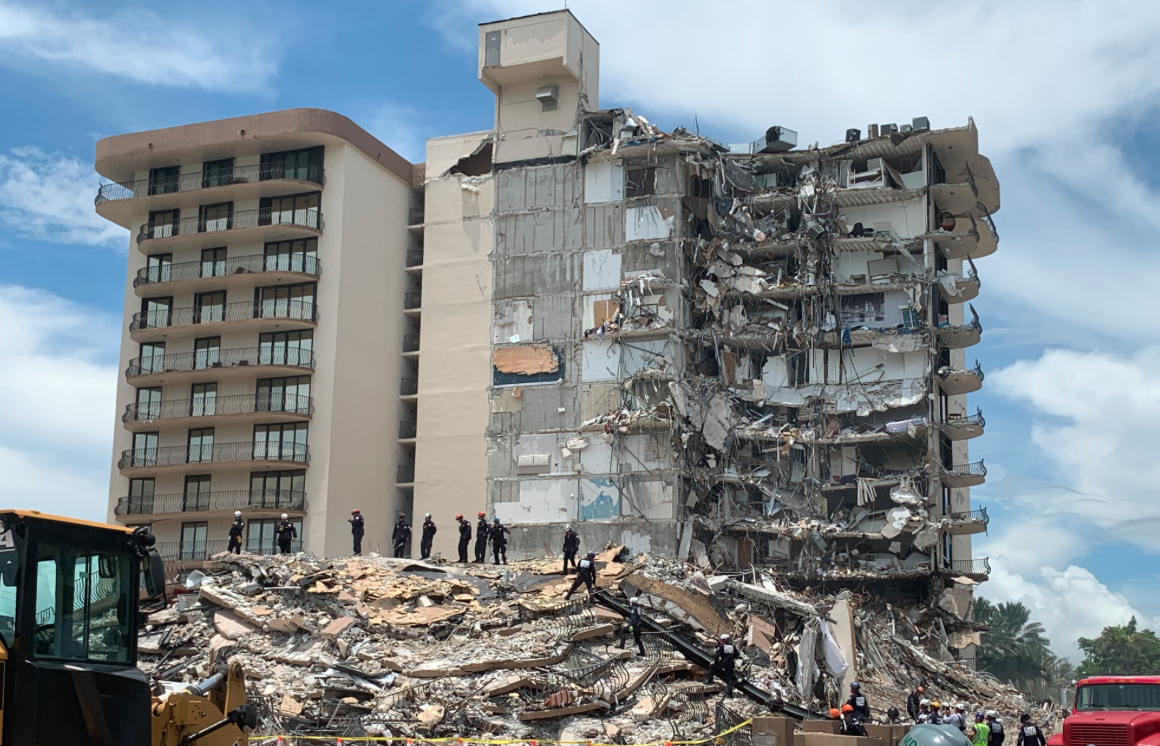
Block buildings (mostly homes and low rise condos under three stories, are build out of cinder blocks with no internal rebar used. The cinder block has an internal honeycomb structure that provides all the support needed when the blocks are mortared together properly for up to about two stories. Poured concrete is used in taller buildings which has incredible compression strength (weight pushing down), but is brittle when exposed to tension or sideways stretching from forces like wind. To reinforce walls and floors, concreted is poured over an internal frame of rebar steel. So, all taller buildings require concrete poured into forms that surround lots and lots of steel rebar. Note how much rebar is used in the walls and floors in the picture below. If the rebar rusts,

Photo: Pixabay.com
Weather and Flood Zone are discussed in the next section.